Concrete for your house, curb to back fence
Concrete Company in Salt Lake City, UT
Driveways, patios, steps, walks, stamped work and garage floors for Salt Lake homes. Ask for your free estimate.
Salt Lake City, Millcreek, Holladay, Murray, Sandy, South Jordan, Orem and 29 more towns
Tell us about your project
Share what you want done and roughly how big. The contractor will give you a ring to hear more and come take a look.
- Free estimates
- Homeowner friendly
- Built for SLC winters
- Driveway to back patio
A rough idea is plenty. Estimates are free.
Start at the curb and work your way back
Walk out to the street and turn around to look at your house. That view is the order most concrete projects make sense in. The approach and driveway take the plow berm, the drips off the car and the most salt. The front walk and steps are what guests see first and what you shovel at six in the morning. The garage floor holds whatever the car tracks in. Out back is the patio, the reward for all of it. Concrete Salt Lake pours each of those for houses all over Salt Lake City and its neighbors.
Salt Lake winters are the reason we fuss over details. Most of them bring dozens of nights that dip below freezing and climb back out by afternoon, and every time, water in the top of your concrete expands a little. Add the salty slush that falls off your car, and plain concrete starts to flake. So outdoor pours get an air-entrained mix, every slab gets a slope so meltwater leaves, and we will ask you to skip the ice melt on new concrete its first winter. Inversion season is rough enough on your lungs. Your driveway does not need to suffer along with them.
Then there is the dirt. Under a lot of Salt Lake neighborhoods sits the bottom of an old lake. Lake Bonneville left behind fine clay and silt that behaves like a sponge, soaking up water, swelling, then shrinking as it dries. A slab poured straight on top rides those changes and cracks. That is why your new concrete sits on compacted gravel, with steel in the middle and joints cut where we want any cracks to go. Nobody brags about their gravel base at a barbecue. It is still the part that keeps your patio flat.

Around your house
Six projects most Salt Lake houses need eventually
From the approach at the street to the patio out back, here is what we pour and why each one gets built the way it does.

Driveways
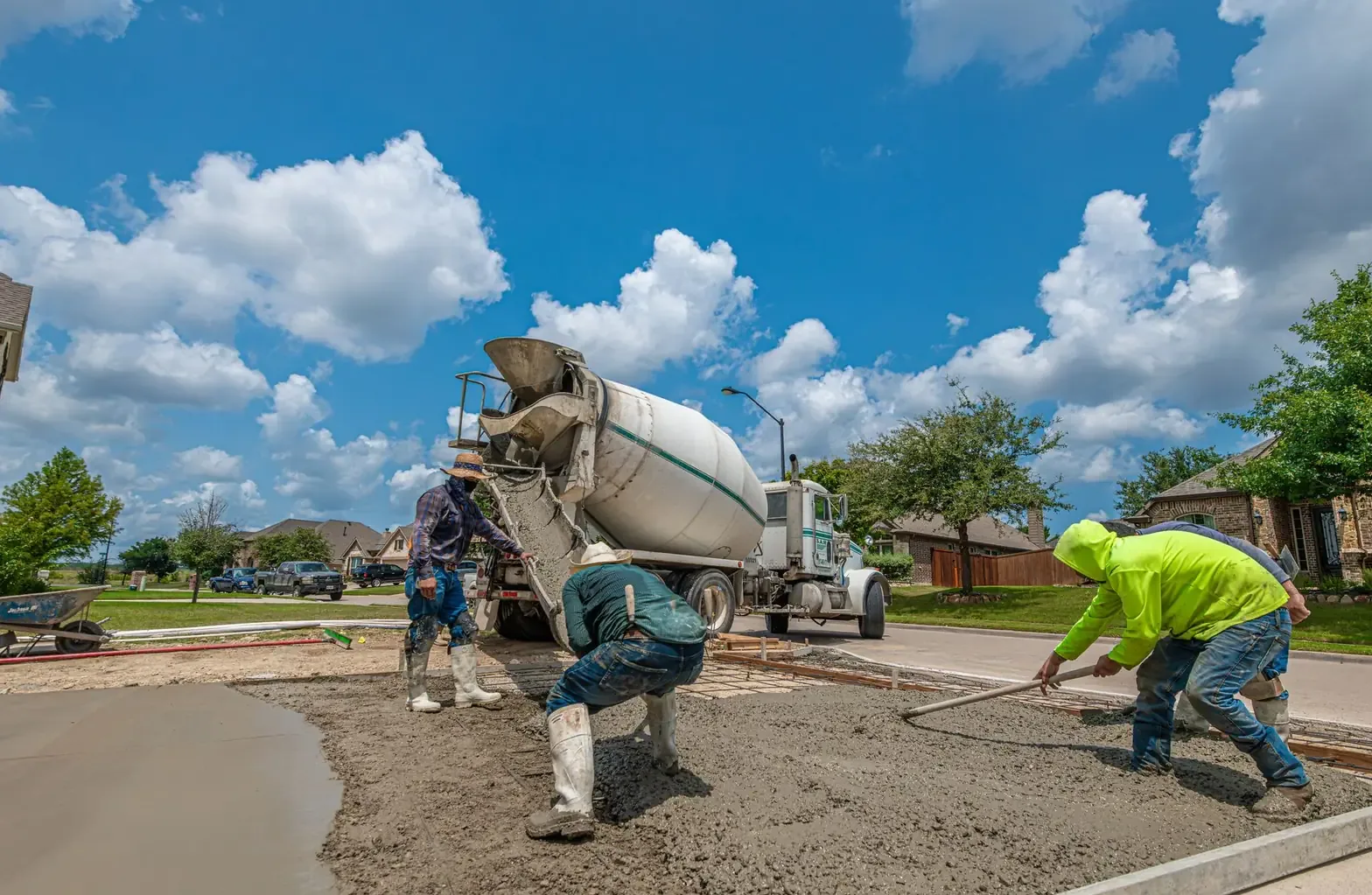
Replace a flaking or sunken driveway, widen it for one more car, or redo the approach at the street.
More on driveways
Patios
A back patio sized for how you actually use the yard, sloped away from the house and finished how you like.
More on patios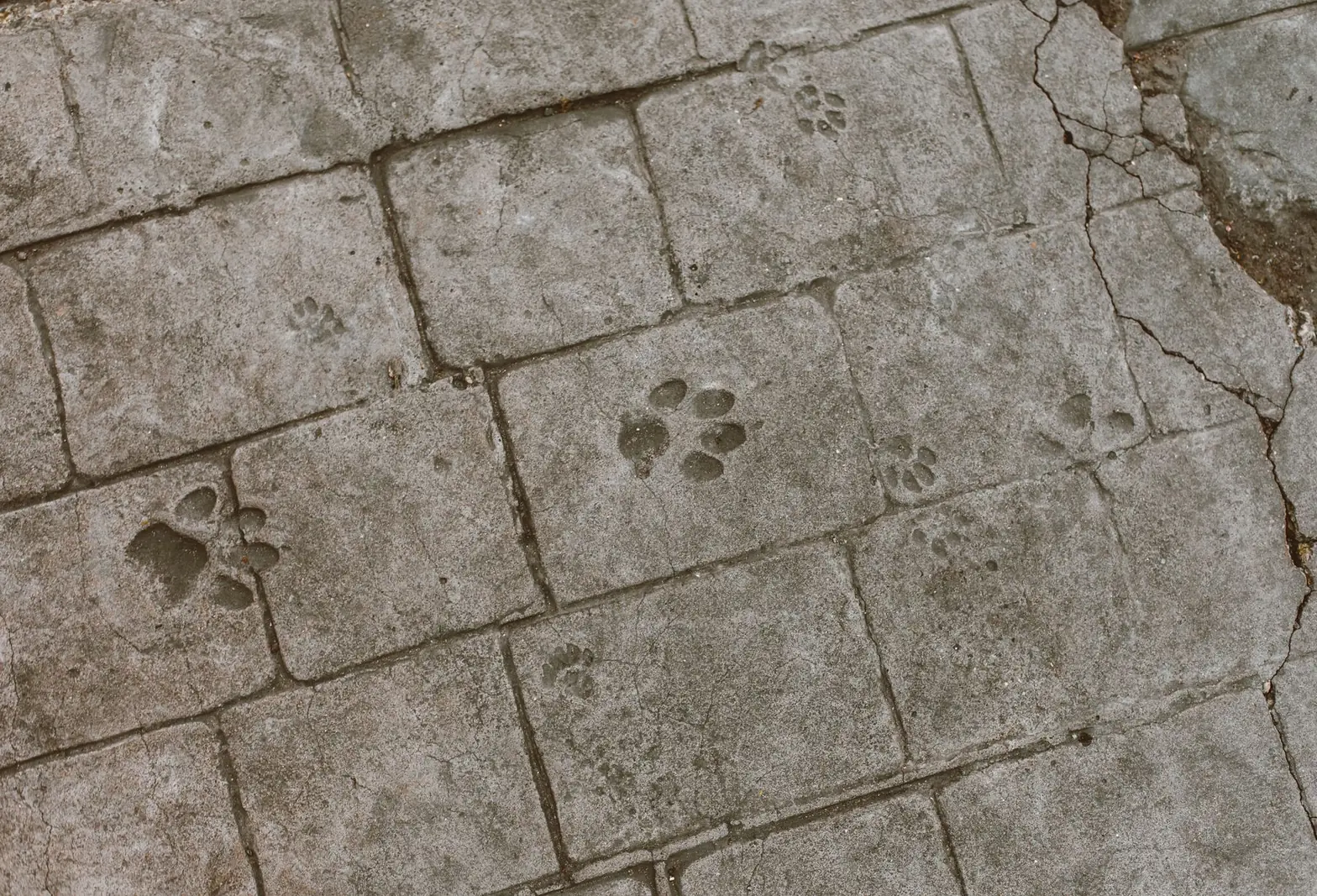
Stamped Concrete
Patterns that look like stone, slate or wood plank, pressed into patios, walks, borders and driveways.
More on stamped concrete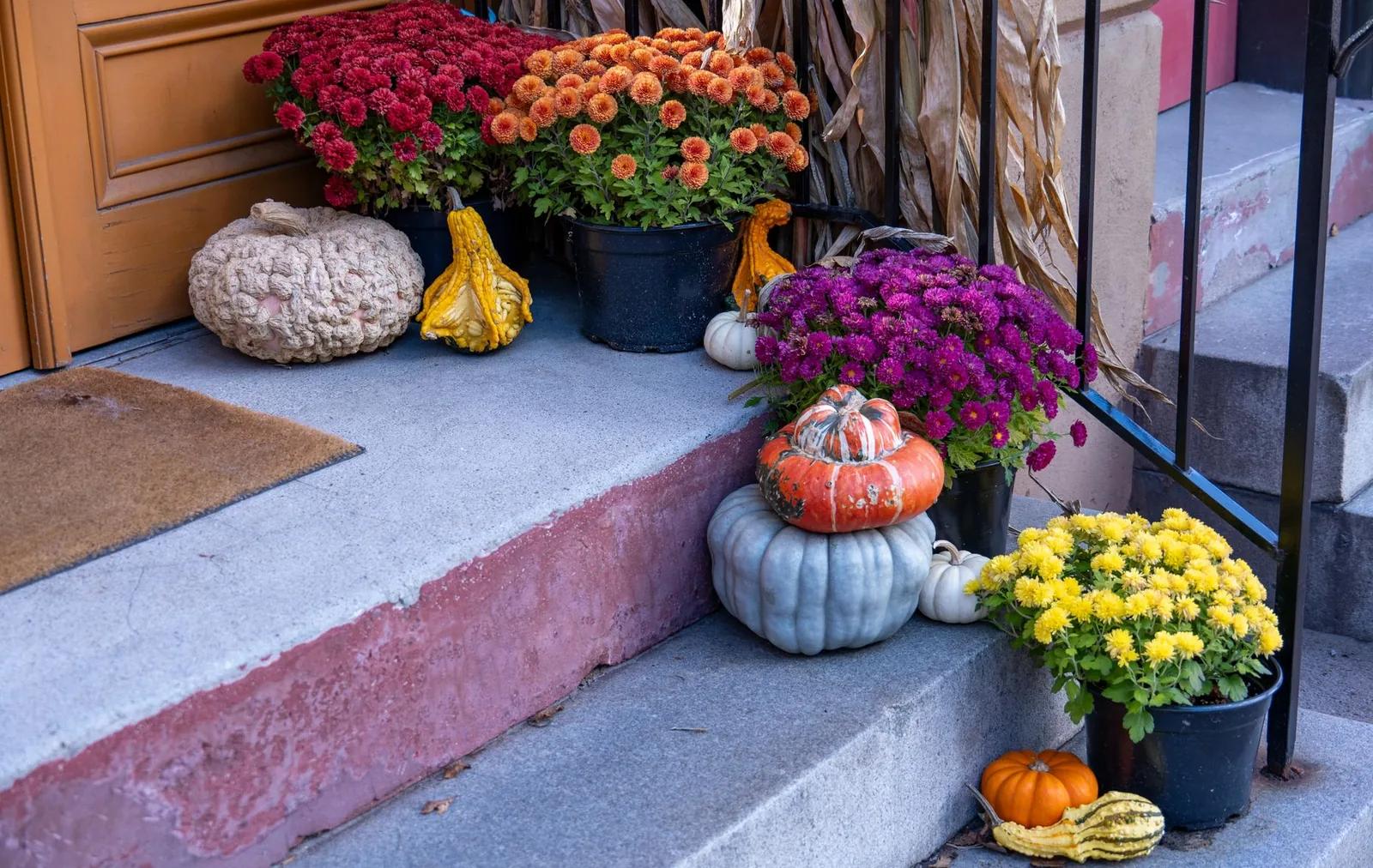
Concrete Steps & Porches
New front steps, porch slabs and back stoops with even risers, a firm base and grip for icy mornings.
More on concrete steps & porches
Sidewalks & Walkways
Front walks, paths to the side gate or back patio, and replacement sidewalk panels at the street.
More on sidewalks & walkways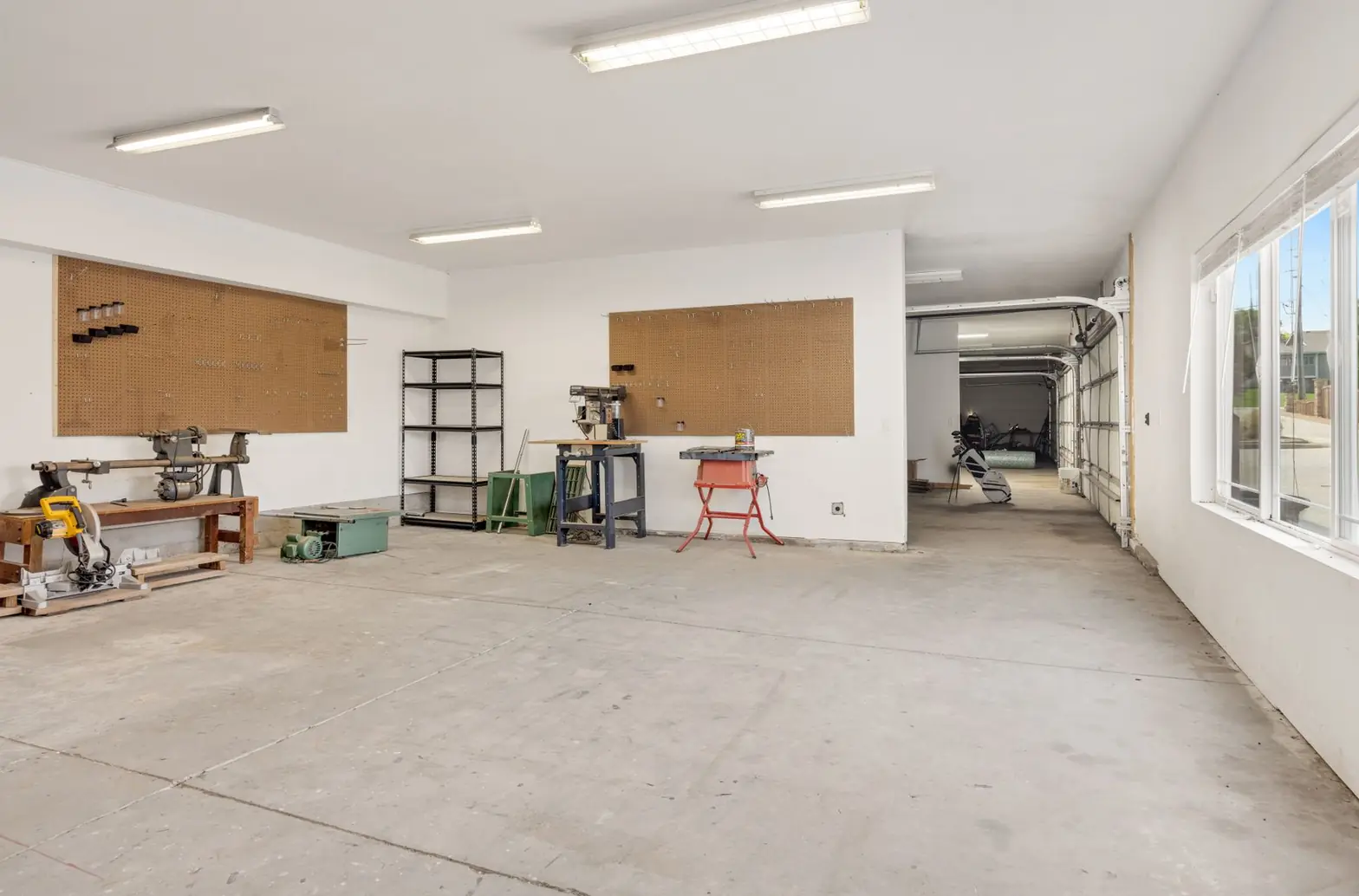
Garage Floors & Slabs
Replacement garage floors plus pads for sheds, hot tubs, AC units and trailers, poured on compacted gravel.
More on garage floors & slabs
Questions
Good questions to ask before you pour
Can I use ice melt on my concrete?
Not the first winter. New concrete is still gaining strength, so use sand, or even kitty litter, for traction until spring. After that, go easy: rock salt and some de-icers are hard on any concrete. A penetrating sealer every few years helps, and so does shoveling before the snow gets packed into ice.
What about permits, the HOA and buried utility lines?
Often at least one of those comes up. The approach, where your driveway crosses into the city's right-of-way at the street, needs a permit from your city. If you have an HOA, check before falling in love with a stamped pattern or color, since many have rules on both. And before anyone digs, call 811 so Blue Stakes can come paint the buried lines. That one is free and not optional.
What does a concrete project cost?
It comes down to things you can mostly see from the curb: size, whether old concrete has to come out first, the finish (plain broom, color or stamping), steps and curves, and how far the concrete truck can reach. A long trip from the street to the backyard can mean a pump. Your free estimate lists each piece so you can see where the money goes.
Do you work in my town?
Very likely. The list runs to 35 towns beyond Salt Lake City, from Holladay, Murray and Midvale to Kearns and Magna, down through Riverton, Draper and Highland, into Alpine, Cedar Hills, American Fork, Orem and Provo, and out to Tooele and Erda. The service areas page lists every one.
When can I drive on my new driveway?
Feet can go on it after a day or two; cars wait about a week, longer when the weather is cold. Big trucks, like a moving van, should hold off closer to a month, when the concrete reaches full strength. Most outdoor flatwork goes in between spring and late fall, while nights stay above freezing.
Which project should I do first?
Whichever one the concrete truck has to drive over last. If a mixer would cross your driveway to reach the backyard, pour the patio before you replace the driveway, or plan on a pump so the new slab never carries a loaded truck. After that, fix what is unsafe first, like heaved steps, then what is just ugly.
Why is my front step pulling away from the house?
Usually because it sits on soil that settled, often backfill next to the foundation that was never packed well. The step drops or tips while the house stays put. A new set gets a firm base, sometimes its own footing, and steel doweled into the foundation so it moves with the house instead of away from it.
Good to know
Small habits that help your concrete
Skip the salt in year one
Fresh concrete is still hardening when the first storm hits. Use sand for grip that first winter and save the ice melt for later, in small doses.
Seal it every few years
A penetrating sealer keeps water and brine out of the surface. Stamped and colored concrete want a sealer with UV resistance, because the sun up here is no joke and colors fade faster than they would at sea level.
Move your downspouts
A downspout that dumps beside the driveway or patio soaks the clay underneath every storm. Extend it a few feet past the slab edge, and the ground under your concrete stays a lot more stable.
Shovel early, chip never
Snow packed into ice is what tempts people to grab the rock salt or a metal ice chopper, and both chew up concrete. A plastic shovel soon after the snow stops is much kinder to the surface.
Examples
Driveways, patios and steps around the house
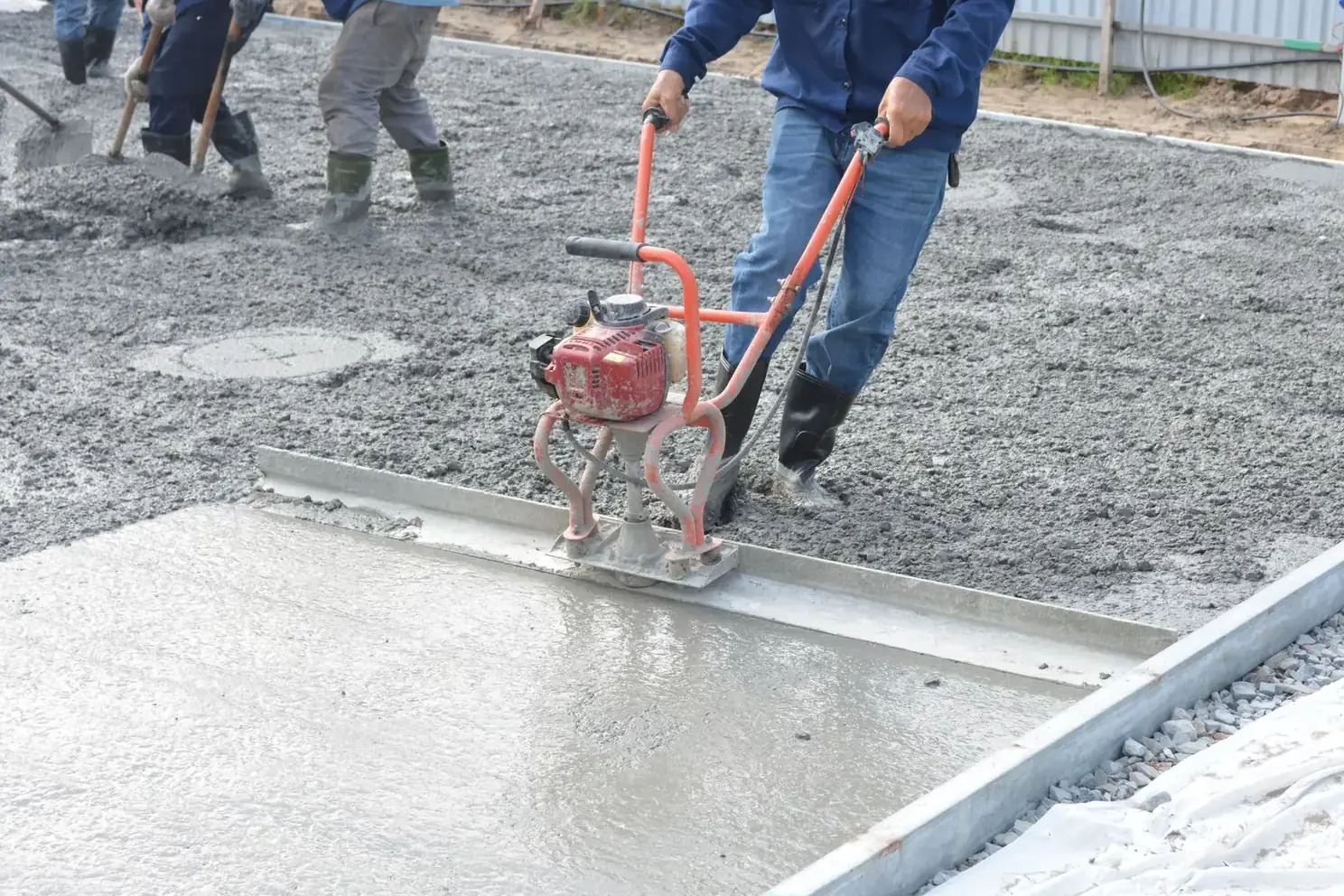
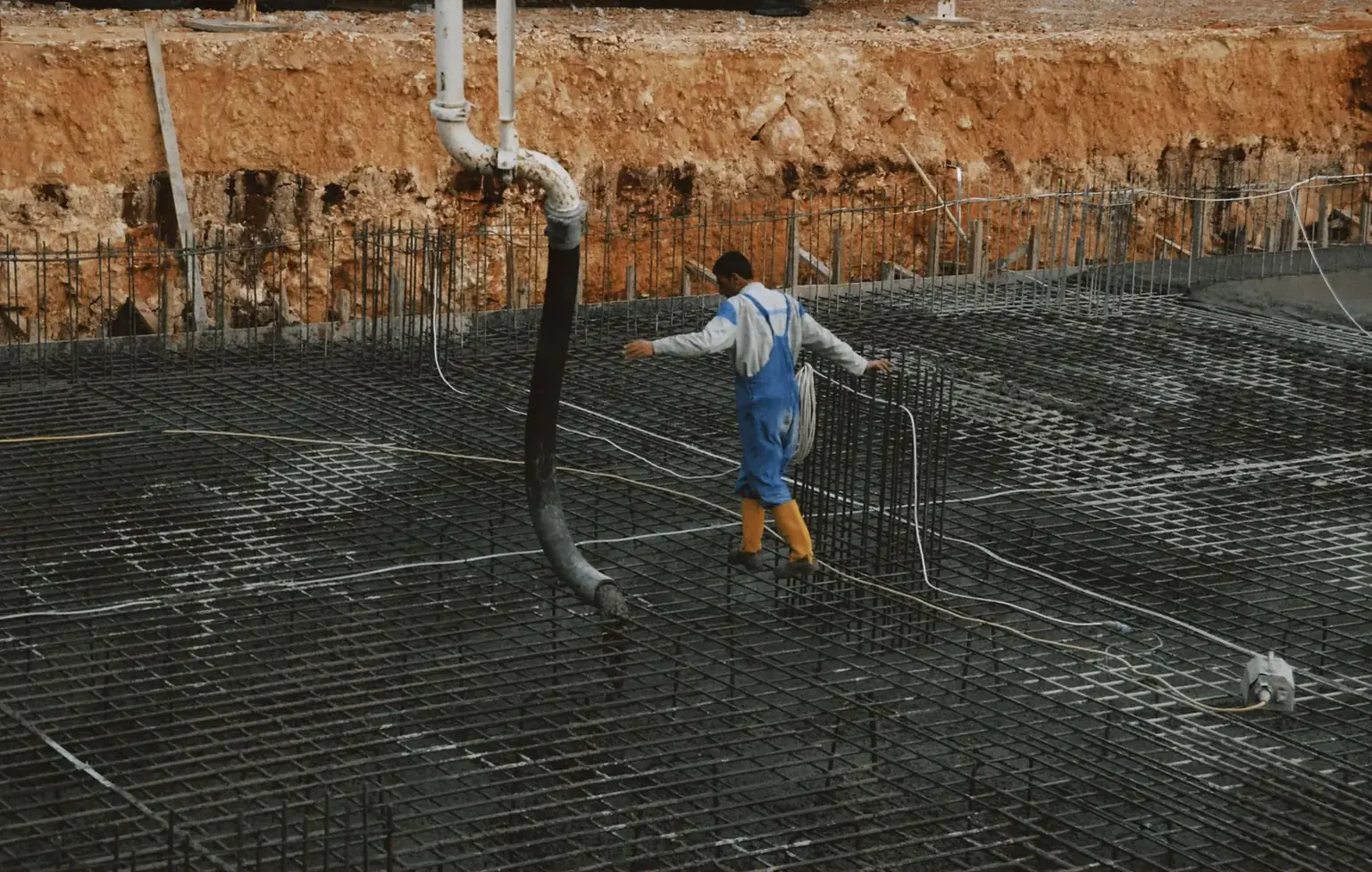
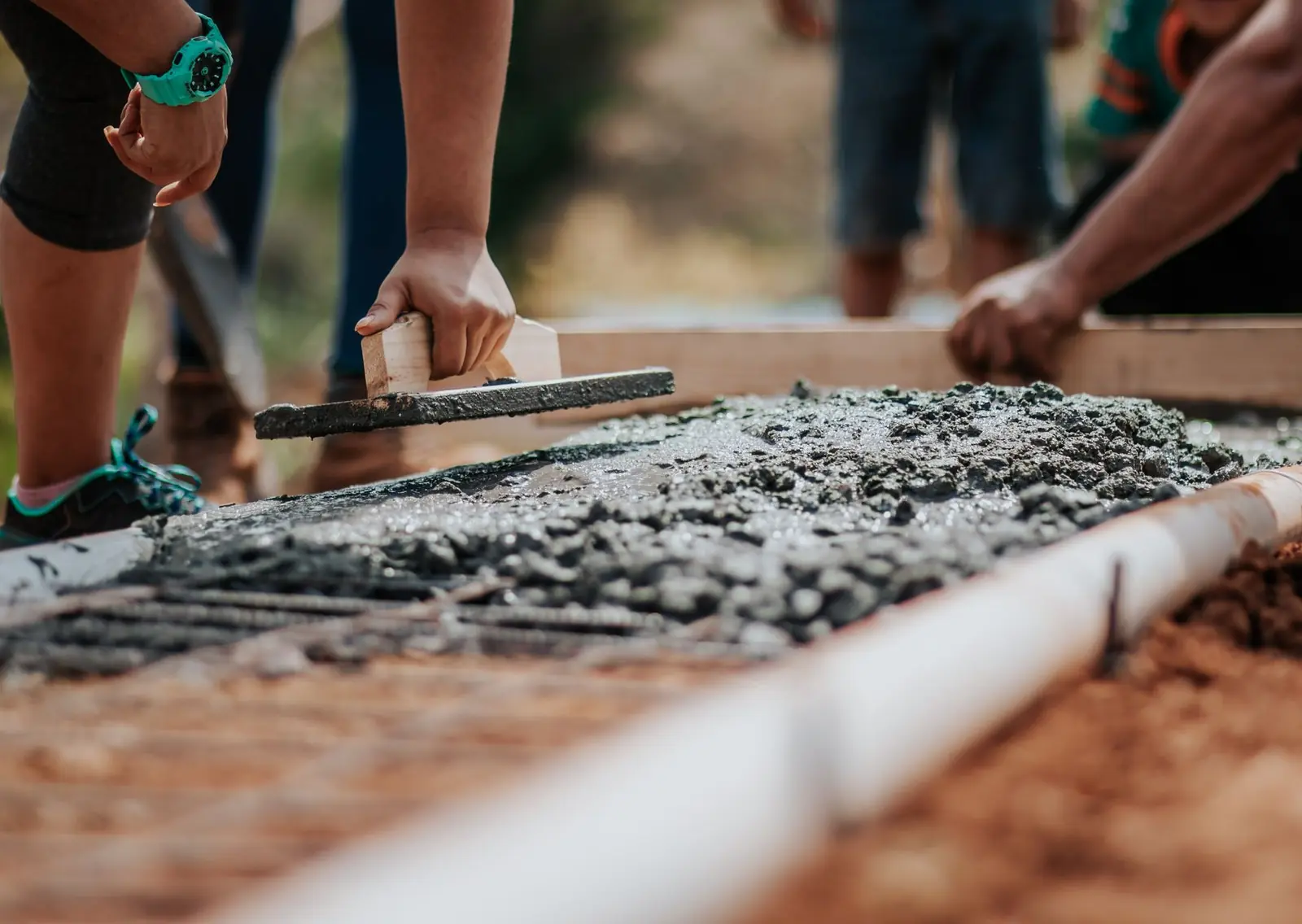
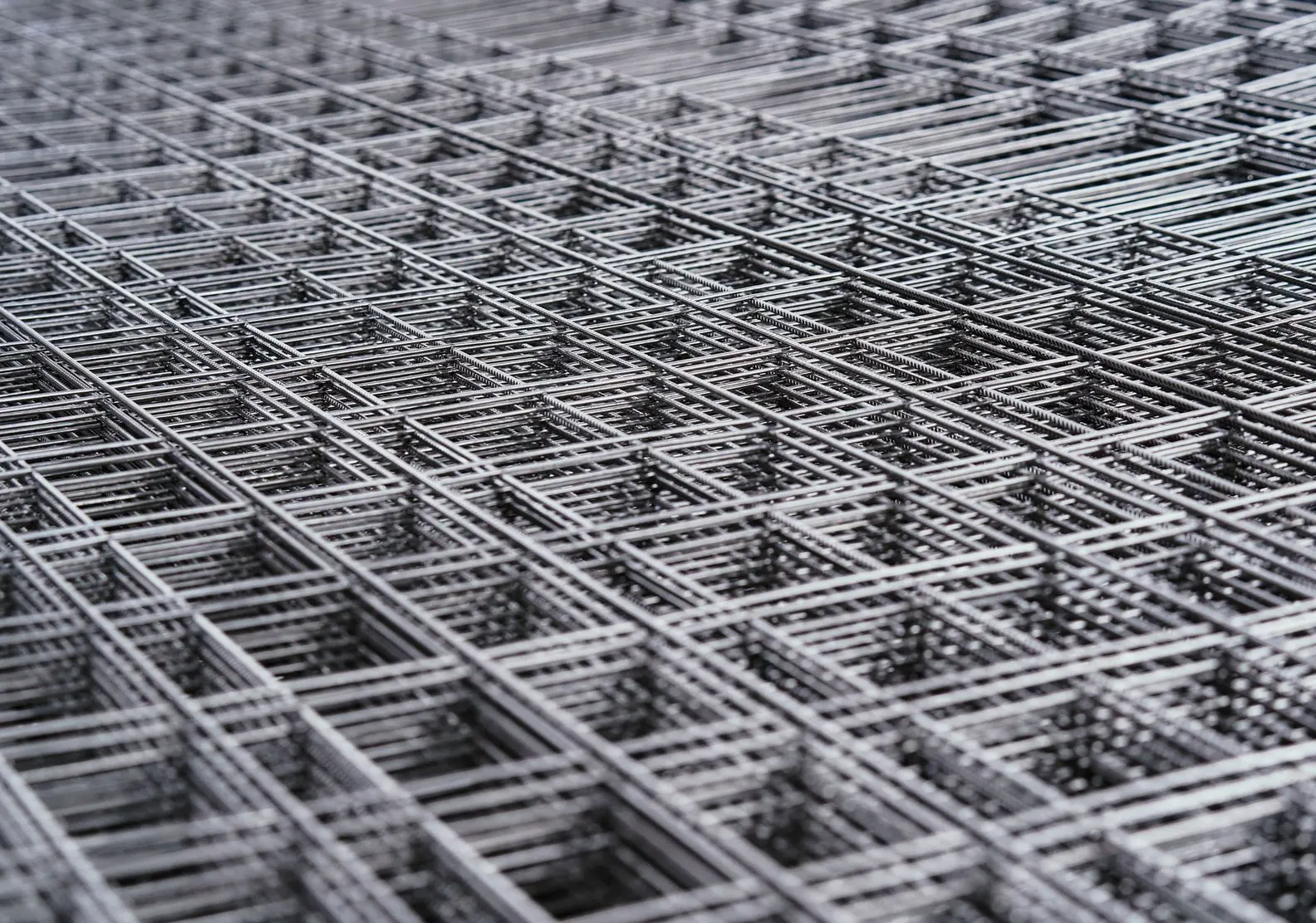
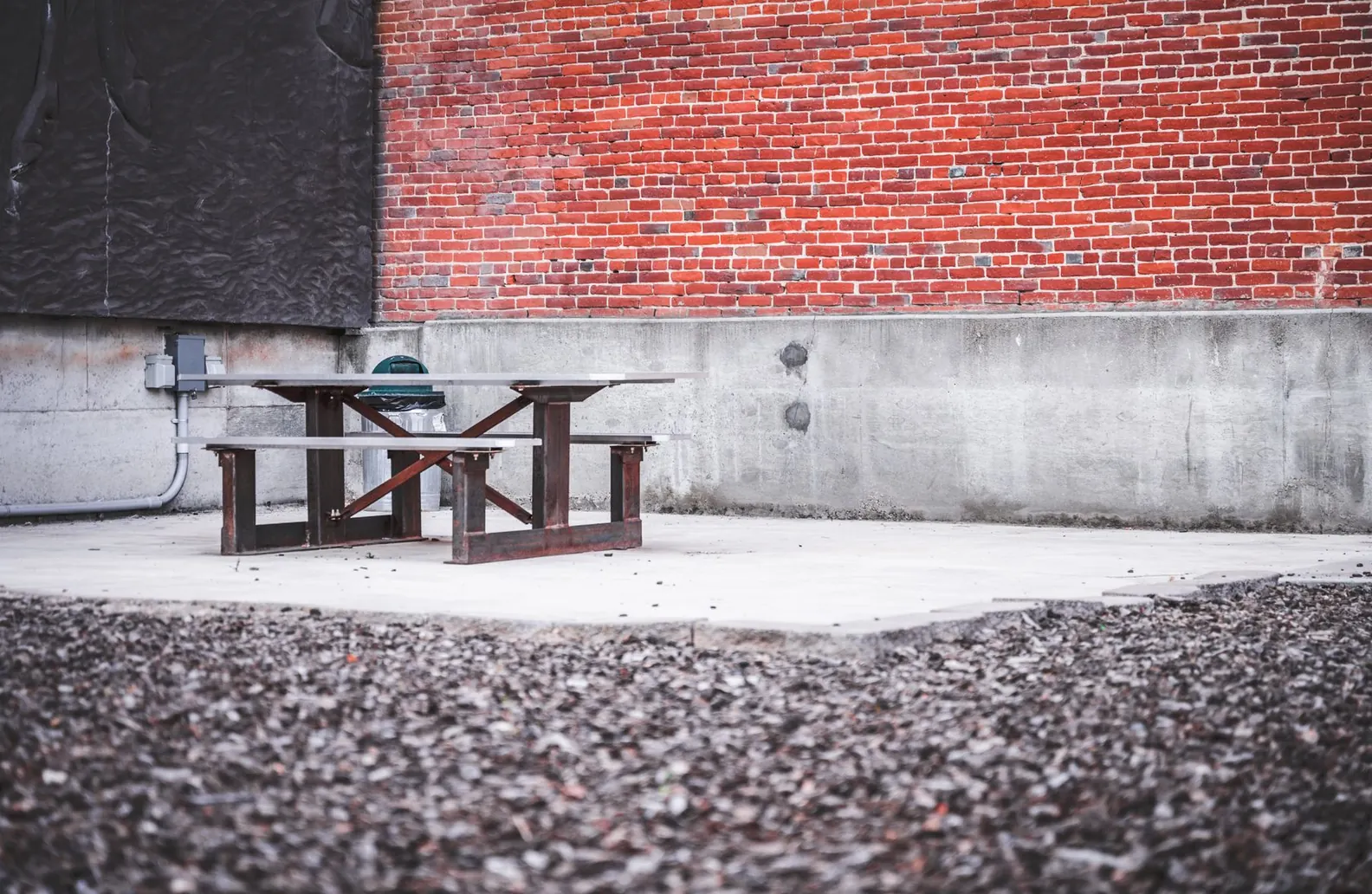
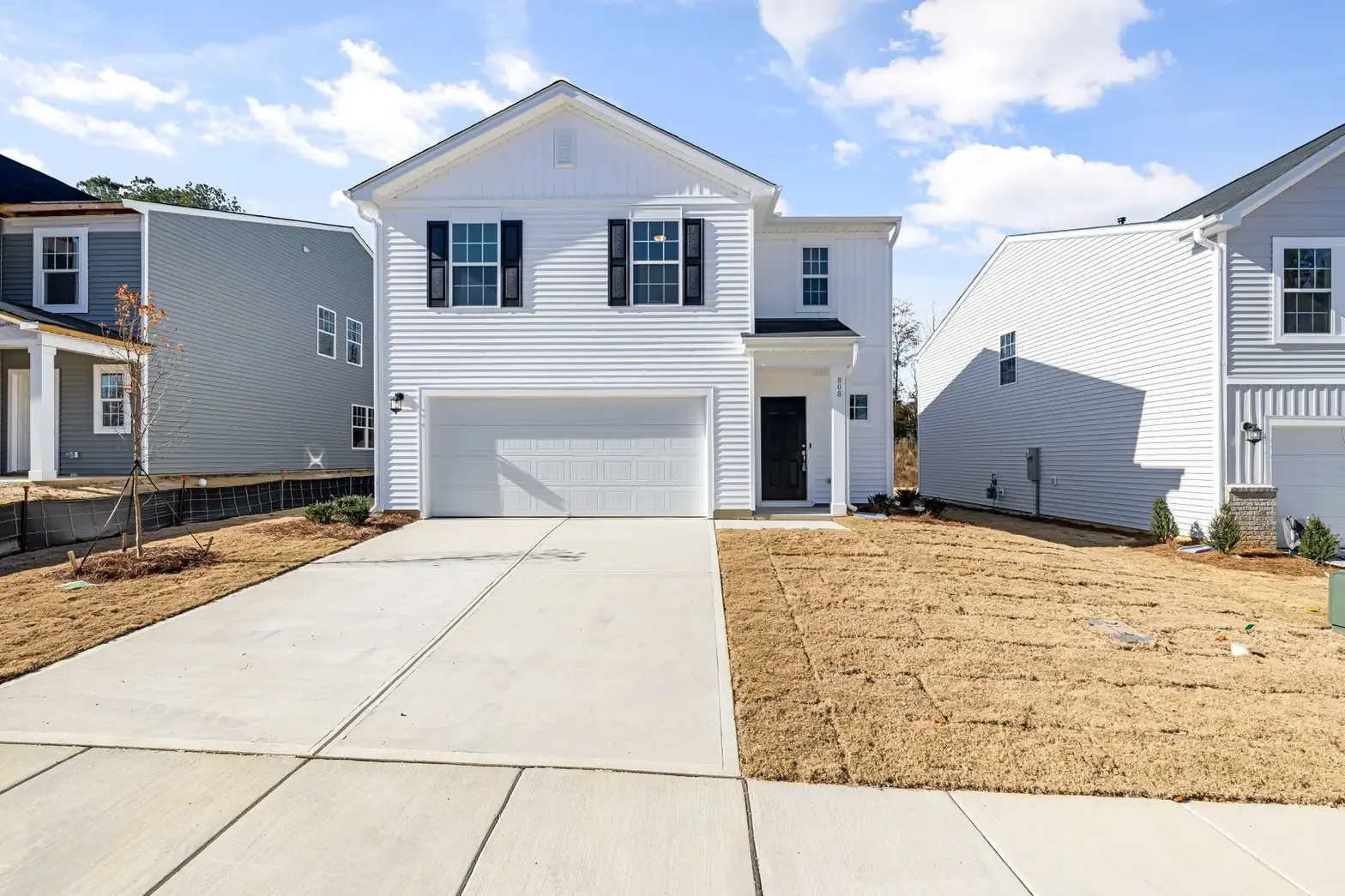
Stock photos: examples of the work type.
How it works
From your call to your first barbecue
- 1
Tell us what you're picturing
Phone us or use the form: what the project is and a rough size. About two cars wide is a perfectly good starting point.
- 2
Someone comes to look
The contractor calls to chat about it, then comes by to see the spot, check the drainage and figure out how the truck gets in.
- 3
Pick the details
Finish, color, pattern, joint layout and timing. Your free estimate lays out each piece so nothing is a surprise.
- 4
Pour day, then patience
Old concrete out, base packed, forms and steel set, then the pour. After that, it is mostly waiting while the slab cures.
Service area
Salt Lake City and 35 neighboring towns
If your house is anywhere from the Avenues down to Provo, or out in the Tooele Valley, you are probably on this list.
Salt Lake County
Tooele County
Let's talk about your house
Call or send the form, and you will hear from the contractor to chat about the project and find a time to come see it.